
Key Takeaways
● Modular building construction is gaining international attention because of the multiple benefits it provides.
● This non-traditional approach uses machine and human precision and controlled environments to deliver high-quality, durable, and stylish homes. Most models are inherently more energy efficient than on-site building projects.
● The customised modular homes process involves intensive consultations between you and your builder, constant refinements, and 3D modelling before fabrication begins.
● Prefabricated homes adhere to theEU s building codes and relevant regulations, ensuring safety, efficiency, and long-term performance.
● While known for being cost-effective, high-end modular homes exist and integrate premium materials and unique aesthetics.
High-net individuals might think that modular homes are glorified trailers. This couldn t be farther from the truth. Advanced construction techniques have made today s system-built homes fully customisable.
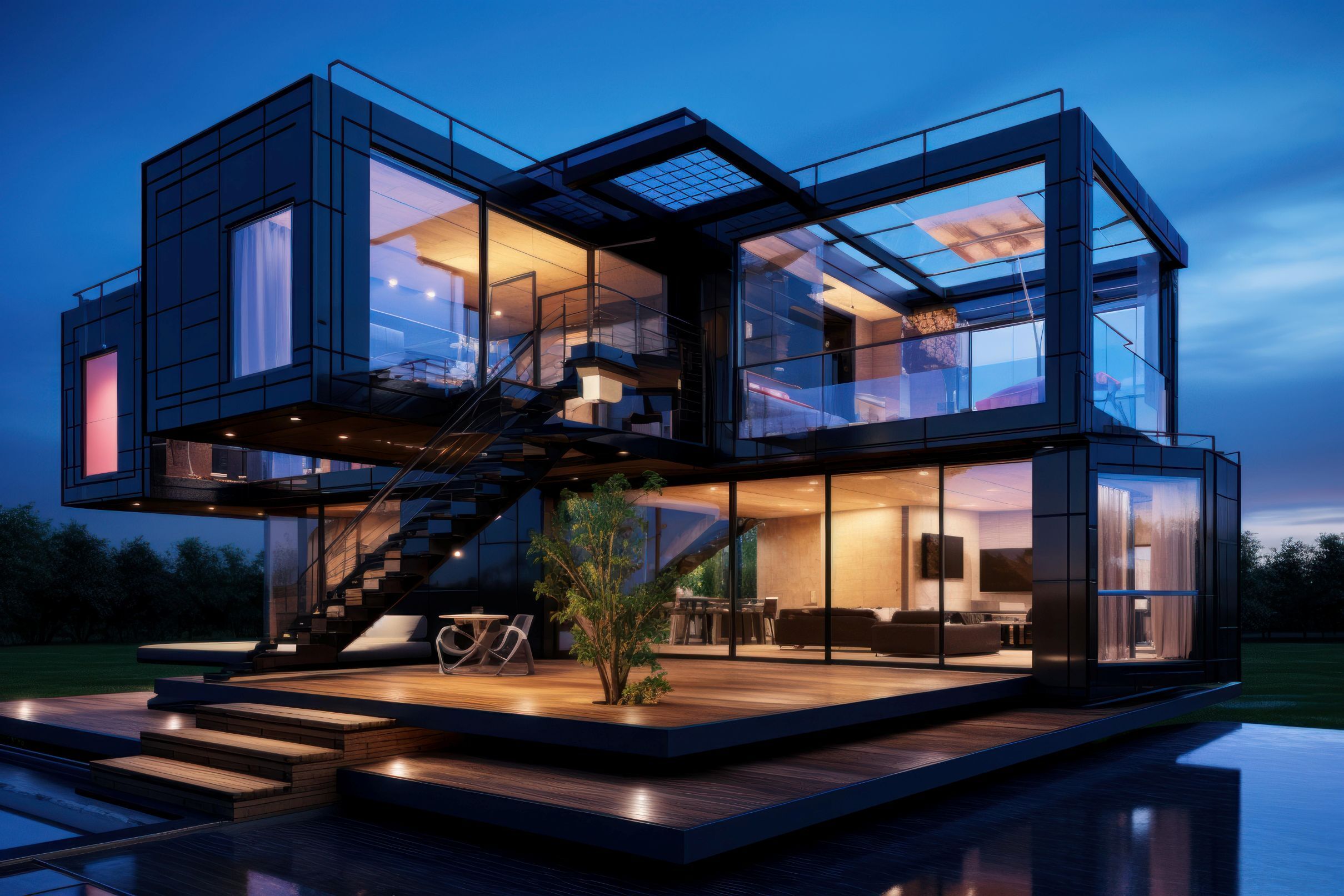
Computer-aided design (CAD), artificial intelligence (AI), and 3D printing help builders make sophisticated and architecturally diverse models and floor plans out of these structures. Modern modular homes can also be built using diverse materials and finishes to give you the same level of design freedom as traditionally-constructed houses.
They re functional and can look as great as you want them to be. In fact, many home buyers would be hard-pressed to distinguish pre-fabricated homes from their site-built counterparts once completed.
Building a new property in premium locations like Madrid, Monaco, or London? Consider modular home designs with custom details and amenities. Before getting into the nitty-gritty, though, let s understand why the market is growing in the region.
Why Go for Modular Designs
The construction industry is thriving in many parts of the world. However, serious building trades shortages and supply chain issues stunt its growth.
Recent research discovered that while the construction industry is poised to grow at 70 per cent by 2040, projects continue to face delays primarily due to labour shortages. Productivity in construction has slightly improved by 10% from 2000 to 2022, a measly figure compared to the manufacturing industry s 90% growth during the same period.
Modular construction addresses these issues and changes how we manage home building. Every project needs fewer people because its processes are more efficient than what we re used to. They re also less susceptible to weather delays.
Each component is created inside climate-controlled factories, away from harsh elements that can compromise its structural integrity. These parts are subject to strict quality control and assurance measures at every stage. Workers and machines work together to make sure all products meet relevant standards and building codes.
Its time-effectiveness doesn t come at the cost of customisation, though. Home buyers can create their ideal living spaces, whether it s a single-story layout or a multi-level retreat. At the same time, investors can build commercial structures that accommodate their needs and their clients, without the restrictions and issues imposed by traditional construction.
The Modular Construction Market
Because of these benefits, industry experts project that the global market for modular construction will cumulatively rise by almost eight per cent annually from 2024 to 2030. The market shall have earned USD$162.2 billion (GBP 121.46 billion) by 2030, a considerable jump from USD$111.07 billion (GBP 83.15 billion) last year.
Asia Pacific and North America remain the biggest markets. Still, Scandinavian nations, the UK, and Germany are seeing more prefab homes and buildings as European green building projects take centre stage. The region s real estate sector will likely reach USD$180.91 trillion (GBP 135. 37 trillion) this year, with Germany and France providing the highest real estate value.
Establishing Your Vision
The building process always starts with a conversation between the homeowner and the contractor. This discussion will serve as the blueprint for your entire project, so it s crucial to take a deep dive into your needs, lifestyle, and budget. These aspects guide the design team in crafting a home that resonates with your lifestyle.
While modular construction offers excellent value, it doesn t exempt you from setting your home financing limits. Your total project cost will depend on several factors like the size, features, design complexity, and zip code. For reference, a simple two-bedroom home in the UK costs at least GBP 195,000, while a three-bedroom unit was at a high GBP 260,000 two years ago. These are for regular homes with basic amenities, though.
Regardless, builders will encourage you to share your vision for your dream modular house. Do you want a minimalist sanctuary with mountain views or a multi-tiered family-oriented environment with open-concept designs? Note that every detail, no matter how small, contributes to the functional and comfortable space you deserve.
Looking for inspiration? Consider these Febal Casa modular home designs with Italian aesthetic as your templates for a bespoke luxury home in any of the region s luxury housing spots. A good contractor will review the home plans provided by customers, consider their design goals, and discuss whether they re feasible or how they can improve their clients visions.
Bringing Your Ideas to Life
After clearly defining your ideas and analysing construction site considerations, it s time to transform abstract concepts into concrete designs. This comes in the form of detailed plans.
● Conceptual design sketches: The design team will present various conceptual layouts that illustrate different floorplan options for your building modules. These varying versions of room placements, window orientation, and so on. You will review this and provide feedback on what resonates or needs adjustments.
● Schematic design creation: This stage refines the chosen concept and adds more details to the sample floor plans. In addition to interior finishes, you see exterior details and materials. As a homeowner, your input is crucial to guarantee an aesthetically pleasing and highly functional modular house.
● Design development: At this point, planners meticulously consider every aspect of your home. Expect detailed architectural drawings, which include dimensions, material selections, and actual fixture placements. Engineers will also integrate the electrical, plumbing, structural, and mechanical systems into the home plans. Check this so you can make final changes before the contractor moves forward.
● 3D modelling and virtual tours: Thanks to technology, you ll have an idea of how your house will look once it s done. You can even walk through your living spaces even before they re built. Doing so helps you make informed decisions and identify potential concerns so you ll have a property that you ll never regret living in.
Make sure you ve studied the details of your proposed modular home. Every element should match your expectations and stick to what you ve formally agreed upon with your chosen contractor.
Finalising Engineering and Architectural Styles
Forget the outdated notion that prefabricated homes are flimsy. They re subject to the same building codes as traditional residences and commercial buildings, so they re built to exacting standards, too.
Structural Engineering for Safety and Durability
The EN Eurocodes comprise an extensive set of structural design standards in the region. They aim to harmonise design practices across Europe and guarantee building performance. As such, they cover load calculations, various materials, and types of structures. Private builders refer to them for geotechnical design, fire safety, and earthquake resistance models.
Each country can customise the Eurocodes to adapt them to their local construction methods, climate, and availability of materials. For example, a modular home design in Norway might need a radiant floor heating system, but not in Spain.
Mechanical, Electrical, and Plumbing (MEP) Design
Interior fixtures make a home highly liveable, so they re crucial parts of a building s structural design. Engineers design each component while adhering to all applicable regulations. This marching order can become complicated in certain structures, like a multi-family duplex stacked on top of each other.
Modular construction allows makers to pre-install intricate networks alongside exterior finishes and thoroughly test them within the controlled factory environment. This capability leads to fewer on-site issues and better quality control.
Energy Efficiency and Sustainability
In line with its climate neutrality objective by 2050, the EU released its Green Homes Directive, which mandates new buildings to have zero carbon emissions by 2030. A crucial move, as residential and commercial structures are responsible for 40% of Europe s energy consumption and 36% of its carbon emissions. Modular construction aligns with these goals with its inherent ability to reduce waste and control material usage.
Many modular home builders can accommodate low-carbon and sustainable designs that fit Europe s prime real estate locations. If you re a property owner targeting eco-conscious buyers and tenants, it s a great idea to get a Leadership in Energy and Environmental Design (LEED) certification. This internationally recognised design principle promotes environmentally sound practices, such as using sustainable materials and appliances with high ENERGY STAR ratings.
You can also ask your contractor to incorporate Passive House building standards that reduce a structure s carbon footprint while increasing its energy efficiency.
Handling Permits and Licenses
While the need for permits is universal, the specific application processes, required documentation, and approval timelines can differ from one location to another. Mobile homes or manufactured homes often have simpler requirements than modular buildings.
You or your builder will submit detailed architectural and engineering plans to local building authorities. Their approval means your modular home design complies with all local zoning ordinances, building codes, and safety regulations.
At this stage, your vision is slowly turning into a structurally sound and code-compliant reality. While complex, it s a crucial undertaking to ensure your new property is safe, durable, and efficient.
Module Fabrication
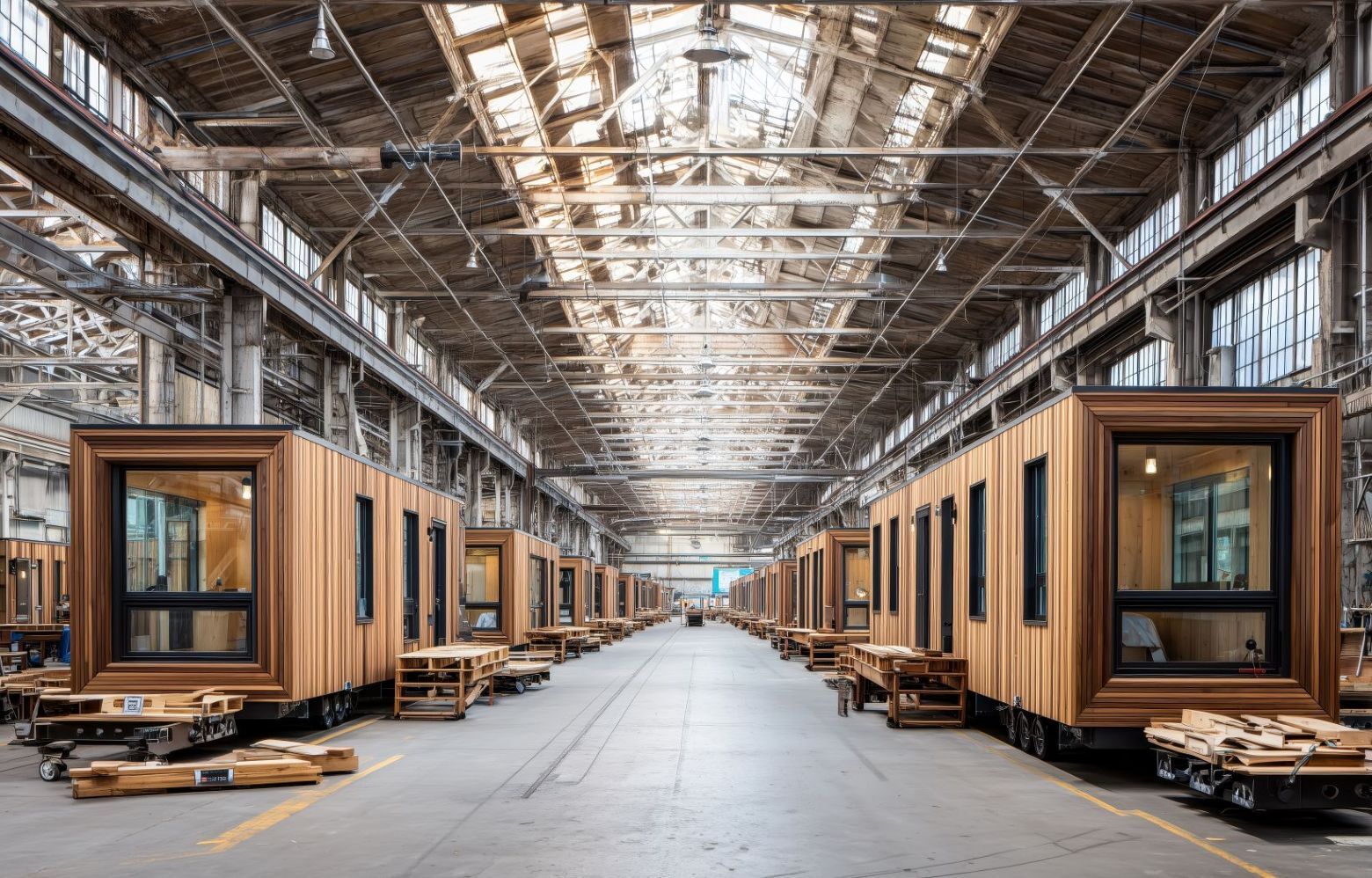
You re now ready to witness your modular home construction come to life. Everything starts in a factory that creates a full selection of high-end units. Here s how:
● Extreme temperatures, rain, and humidity can compromise structural integrity and finish quality. Unlike traditional construction, modular building manufacturers maintain a climate-controlled environment that protects each component from potential damage, such as warping and mould formation.
● System-built construction features an advanced assembly line with a series of dedicated workstations. One station might focus on framing and another on interior finishes. Either way, it s a systematic setup that promotes optimised workflows and increased efficiency.
● Every step of the fabrication process integrates quality control. Skilled technicians inspect the items rigorously before moving to the next workstation. They guarantee that every component is installed precisely and all specifications are met.
● On-site construction projects often face delays due to supply chain problems, but not precision-engineered homes. Manufacturers purchase raw materials in bulk and practice just-in-time inventory to have the right materials at the right workstation when needed.
With these workflows, modular building makers address inefficiencies in traditional construction processes. Removing the main causes of delays and managing resources efficiently hastens project timelines without compromising quality. This is particularly useful if you want to use your European luxury estate as soon as possible.
Site Preparation
Your construction crew prepares the site while waiting for the modules to arrive. Their work lays the groundwork for the seamless integration of your new luxury home.
A modular home requires a robust and properly engineered foundation as much as traditional buildings. This involves excavating the site, preparing the sub-base, and pouring the concrete foundation. Choosing the right foundation option is crucial, as the modular sections will be placed directly onto it. Proper levelling and working on the right dimensions are also crucial, as any inaccuracies can lead to serious issues during installation.
Additionally, you must trench and connect to municipal services such as water, sewer, and electricity before the assembly date. Coordinate with utility companies and local inspectors to facilitate smooth integrations with the home s internal systems.
The Big Move
Your contractor will arrange specialised logistics to transport the massive modular components of your home. Once the modules arrive, they ll install a crane to lift each module onto the prepared foundation. Each part is aligned and set to get a perfect fit with the previously placed sections.
On-site completion also involves stitching the modules together. Your builder will seal the joints to ensure structural integrity and weather tightness. Next comes interior and exterior finishing, like completing the siding and roofing. With the home assembled, it s now time to make the final utility connections and inspections.
Quality Assurance and Handover
Here s where the tire meets the road. At this stage, your contractor conducts thorough inspections and addresses potential issues before handing over the keys to your new home. They ll also provide user manuals for your systems, warranty information, and contact details for post-occupancy support.
After ensuring you re satisfied with the new space, you can prepare for new beginnings in your modular masterpiece.
Modular Can Be Spectacular
Prefabricated housing has its place in luxury markets because it can accommodate high-end modular designs. As such, you can create bespoke architectural styles, premium finishes, and even smart home technologies that exceed the quality and look of custom-built residences.
These capabilities are attracting discerning clients who value efficiency and sustainability. If you want unique and customisable living spaces that last, modular construction could be your best option.