
Poor room layout can quietly damage how a property is perceived by buyers. Even when a home looks clean and updated, awkward spacing can create discomfort. Rooms that feel cramped or disconnected reduce how welcoming the space feels. Buyers often notice layout problems within minutes of walking inside. These issues can make a home feel harder to live in daily. Over time, this reduces interest and affects how much buyers are willing to offer.
First impressions happen in seconds
When buyers enter a home, the layout shapes their first emotional reaction. A confusing entrance or tight hallway can feel uncomfortable right away. Even small layout flaws can distract buyers from positive features. People want spaces that feel open and easy to move through. If they feel restricted early on, interest drops quickly. This reaction often happens before they even reach the main living areas.
Layout also affects how large or small a home feels. Poor room arrangement can make spacious homes feel tight. Long, narrow rooms or blocked pathways reduce visual balance. Buyers then assume the house lacks smart design. This assumption stays in their mind throughout the tour. First impressions formed by layout are hard to reverse.
Flow issues lower buyer confidence
Good flow helps people move naturally through a home. When rooms feel disconnected, buyers feel uncertain. Walking through bedrooms to reach bathrooms feels uncomfortable. Kitchens cut off from dining areas reduce usability. These flow issues make daily routines feel inconvenient. Buyers often worry about future frustrations.
Poor flow also raises questions about renovation costs. Buyers think about wall removal or redesign. Many feel unsure if changes are worth the effort. This hesitation lowers emotional attachment. Some sellers turn to Madison County House Buyers when layout changes feel overwhelming. Confidence drops when flow problems seem permanent.
Furniture placement becomes a challenge
Furniture placement reveals layout flaws very clearly. When sofas block doors or beds barely fit, buyers notice. They start imagining their own furniture and feel doubtful. Rooms with too many doors reduce usable wall space. This makes decorating feel stressful rather than enjoyable. Buyers want flexibility, not restrictions.
Awkward furniture layout also makes rooms feel smaller. Even large rooms can feel crowded due to poor design. Buyers often assume square footage is wasted. This lowers how valuable the home feels. Layout should support furniture, not fight against it. When it does not, appeal drops quickly.
Kitchen design affects daily comfort
Kitchens rely heavily on smart layout for smooth movement. Poor placement of appliances slows down basic tasks. A sink far from prep space feels inconvenient. Tight corners reduce working comfort during cooking. Buyers imagine daily use during tours. If the kitchen feels awkward, concerns grow fast.
Layout issues in kitchens are costly to fix. Buyers know remodeling expenses can be high. This makes them cautious with offers. Even stylish kitchens lose appeal if the layout feels wrong. Function matters more than appearance here. Poor design often leads to lower perceived value.
Bathrooms reveal layout weaknesses
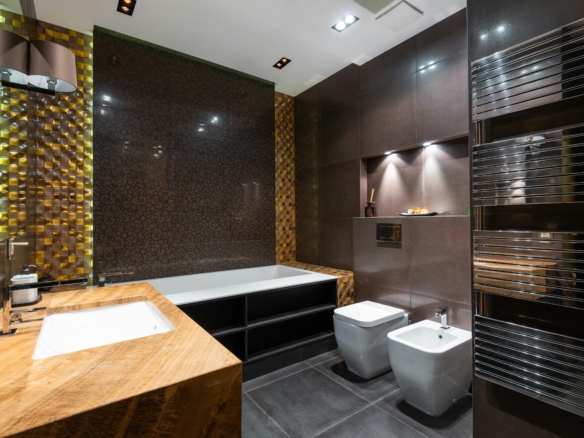
Bathrooms show layout problems very quickly. Tight spaces create discomfort during movement. Doors opening into fixtures feel poorly planned. Limited counter space reduces usability. Buyers imagine morning routines and feel uneasy. Comfort matters more than luxury here.
Bathroom layout changes are rarely simple. Plumbing limits design flexibility. Buyers understand this and worry about long-term use. Even clean bathrooms feel less appealing when the layout fails. Privacy concerns also appear in poor designs. These issues quietly reduce buyer interest.
Privacy feels harder to maintain
Privacy depends strongly on layout choices. Bedrooms near living rooms reduce quiet time. Bathrooms visible from common areas feel awkward. Buyers imagine guests and daily routines. Poor separation causes discomfort. Homes should balance shared and private spaces. Lack of privacy affects emotional comfort. Buyers may not say it directly. Still, they feel something is off. This feeling lowers attachment to the home. A layout that ignores privacy feels chaotic. Calm spaces increase buyer confidence.
Light struggles to reach the Rooms
Layout controls how light moves inside a home. Poor wall placement blocks natural brightness. Dark rooms feel smaller and less inviting. Buyers often prefer bright and open spaces. Limited light affects mood during tours. This lowers emotional appeal. Homes with blocked light feel outdated. Buyers associate darkness with poor design. Fixing lighting through layout changes feels complex. Many buyers avoid such challenges. Bright flow improves perceived size and comfort. Poor layout keeps light trapped.
Storage spaces feel overlooked
Storage depends on thoughtful room planning. Poor layout limits closet access. Pantries placed far from kitchens reduce convenience. Buyers look for storage more than sellers expect. Lack of storage creates stress. Homes feel cluttered faster.
Poor storage layout affects staging quality. Items remain visible due to limited space. This creates a visual mess during tours. Buyers then blame the home design. Smart storage improves daily living. Weak storage reduces long-term comfort.
Long-term value slowly drops
Layout problems stay longer than surface updates. Paint and decor change easily. Walls and room placement usually remain fixed. Buyers think about resale value early. Poor layout feels risky for future selling. This lowers offer confidence. Homes with a good layout sell faster. They attract more buyer interest. Poor layout limits the buyer pool. Fewer buyers mean lower competition. Value drops quietly over time. Layout shapes market performance.
Small changes that can help
Not all layout issues require full renovation. Removing non-structural walls can open flow. Repositioning doors improves movement. Lighting changes can reduce dark areas. Furniture staging guides buyer perception. Clear walkways reduce confusion. Some layouts remain difficult to fix. Sellers then adjust pricing expectations. Others choose faster-selling options. Understanding layout impact helps decision-making. Buyers value comfort over perfection. Small fixes still improve appeal.