

 by
by 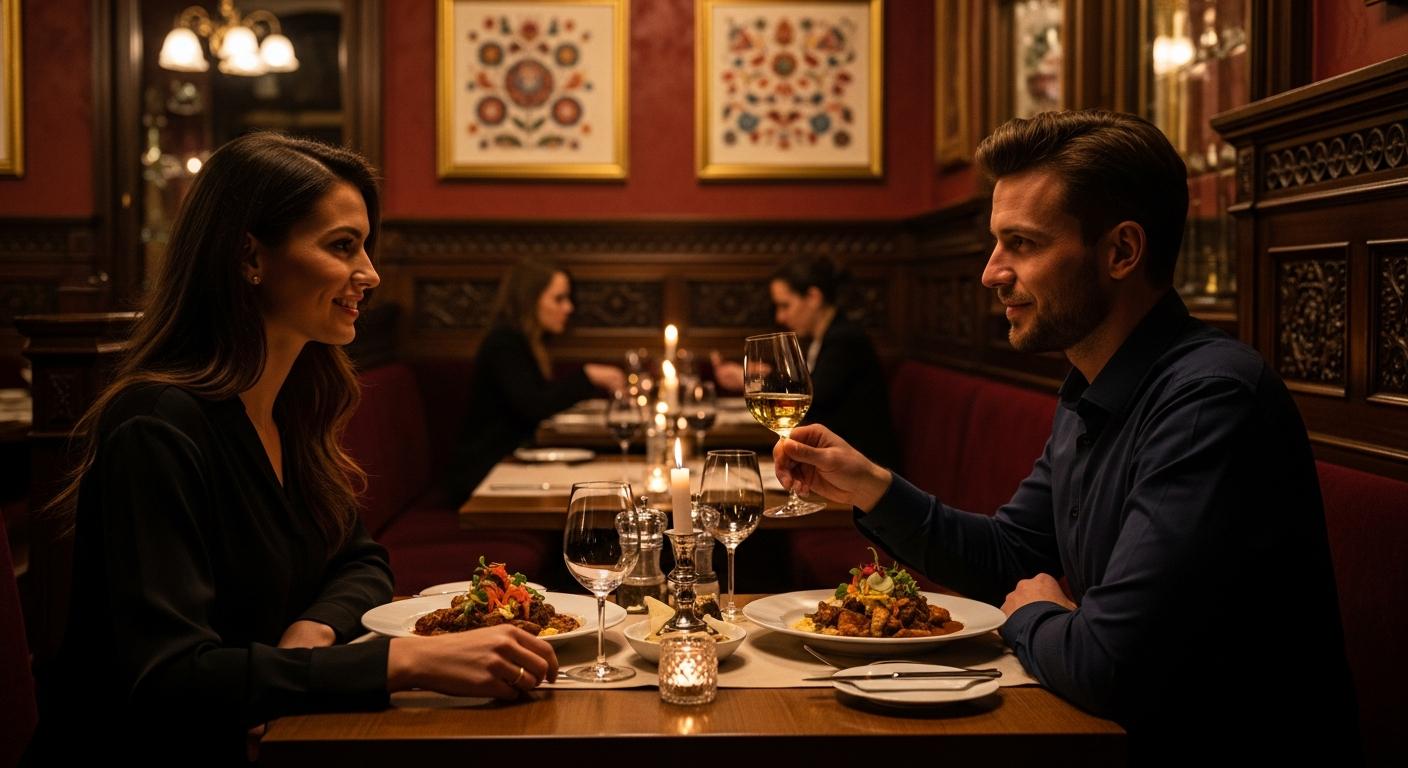
Culinary culture transforms cities into living, breathing environments where traditions, innovations, and identities converge. In this context, the presence of influential hospitality players, such as Zsidai Group, significantly shapes how locals and visitors perceive and experience a city’s rhythm.
Culinary Identity as an Urban Signature
Cities across the world are often recognized as much for their cuisine as for their landmarks. Paris evokes images of patisseries and cafés, Tokyo of precision-driven sushi bars, and Budapest of rich, layered flavors rooted in centuries of Central European tradition. Culinary culture functions as a signature—an edible identity that communicates history, geography, and social values.
In Budapest, this identity is particularly complex. Influences from Ottoman, Austro-Hungarian, and Jewish culinary traditions have blended into a distinctive gastronomic language. Paprika-laced stews, delicate pastries, and evolving fine dining concepts coexist within a compact urban space. This diversity reflects the city’s layered past while also responding to contemporary expectations of global travelers.
Restaurants are not merely places to eat; they are cultural institutions that interpret and present this identity. The best establishments do more than replicate traditional recipes—they reinterpret them, ensuring relevance without losing authenticity.
Everyday Life and the Social Fabric of Dining
Food culture plays a central role in shaping daily routines and social interactions. Morning coffee rituals, business lunches, and late-night dinners all contribute to the cadence of urban life. In cities like Budapest, dining is rarely rushed. Meals are occasions for connection, reflection, and shared experience.
The rise of the Budapest Hungarian restaurant scene highlights how locals increasingly seek spaces that combine quality cuisine with atmosphere. These venues become extensions of the home or workplace, offering environments where relationships are built and maintained. At the same time, restaurants influence how neighborhoods evolve. A well-curated dining spot can revitalize an area, attracting foot traffic, encouraging investment, and creating a sense of community. Culinary culture, in this way, becomes a driver of urban development.
Tradition Meets Innovation in Modern Cities
One of the most compelling aspects of culinary culture is its ability to evolve. Cities are dynamic, and their food scenes must reflect changing demographics, technologies, and lifestyles. In Budapest, chefs and restaurateurs are reimagining classic Hungarian dishes through modern techniques, lighter presentations, and international influences. This balance between tradition and innovation is essential. Without tradition, a city risks losing its identity; without innovation, it risks becoming stagnant. The most successful culinary destinations embrace both, creating experiences that feel rooted yet forward-thinking.
In the wake of this transformation, establishments associated with Zsidai Group have played a role in redefining how Hungarian cuisine is perceived. By blending heritage with contemporary hospitality standards, they contribute to a broader narrative that positions Budapest as a serious gastronomic destination on the global stage. In this evolving landscape, visitors seeking an authentic yet refined experience often encounter the phrase Budapest Hungarian restaurant, which encapsulates a category that is both traditional and modern. These venues offer more than meals—they provide curated journeys through the city’s flavors and stories.
Tourism and Culinary Discovery
Culinary culture is one of the strongest motivators for travel. Modern tourists are no longer satisfied with sightseeing alone; they seek immersive experiences that allow them to understand a destination through taste. Food tours, market visits, and restaurant reservations are now integral parts of travel planning.
Budapest has embraced this shift. The city’s vibrant dining scene attracts visitors who want to explore Hungarian cuisine beyond clichés. From historic coffee houses to contemporary bistros, the range of options ensures that every traveler can find a personal connection to the city.
Restaurants serve as gateways to culture. A thoughtfully designed menu can introduce guests to local ingredients, seasonal variations, and regional specialties. Staff members often act as cultural ambassadors, sharing stories that deepen the dining experience. The success of the Budapest Hungarian restaurant concept lies in its ability to meet these expectations. It combines authenticity with accessibility, offering visitors a clear yet nuanced entry point into Hungarian gastronomy.
The Emotional Dimension of Food in Urban Life
Beyond its cultural and economic significance, food carries a deeply emotional dimension. Meals are tied to memory, identity, and belonging. In a fast-paced urban environment, dining offers moments of pause—opportunities to reconnect with oneself and others.
Cities can sometimes feel impersonal, but culinary spaces counterbalance this by creating intimacy. A well-designed restaurant, with its lighting, music, and service, can transform an ordinary evening into a memorable experience. This emotional resonance is a key reason why certain establishments become landmarks in their own right. In Budapest, the interplay between historic settings and contemporary dining concepts enhances this effect.
Sustainability and Responsibility in Culinary Culture
As urban populations grow and environmental concerns become more pressing, culinary culture must also adapt to new responsibilities. Sustainable sourcing, waste reduction, and ethical practices are increasingly important factors in how restaurants operate. Budapest’s dining scene reflects this awareness. Many establishments prioritize local ingredients, support regional producers, and implement eco-conscious practices. This approach not only benefits the environment but also strengthens the connection between the city and its surrounding regions.
The Future of Culinary Culture in Cities
Looking ahead, the role of culinary culture in city life is set to expand even further. Technology, globalization, and shifting consumer expectations will continue to shape how people eat and interact with food. Yet the core elements—connection, identity, and experience—will remain constant. Budapest is well-positioned to navigate this future. Its rich culinary heritage provides a strong foundation, while its openness to innovation ensures continued relevance. The presence of experienced hospitality groups, including Zsidai Group, supports this evolution by maintaining high standards and fostering creativity.
Culinary culture will continue to define how cities are experienced and remembered. It influences where people gather, how they spend their time, and how they connect with their surroundings. In this sense, food is not just a part of urban life—it is one of its most essential expressions.
A Living, Evolving Experience
Culinary culture is never static. It reflects the people who create it, the ingredients that shape it, and the city that sustains it. In Budapest, this dynamic interplay results in a vibrant, multifaceted dining scene that continues to evolve while honoring its roots. From everyday meals to special occasions, food remains at the heart of urban living. It tells stories, builds communities, and shapes perceptions. As cities grow and change, culinary culture will remain a constant—a source of identity, inspiration, and connection that defines the essence of city lifestyle.
In this ongoing narrative, Zsidai Group stands among those contributing to a refined and meaningful dining landscape, ensuring that Budapest continues to offer experiences that resonate long after the last course is served.