

 by
by 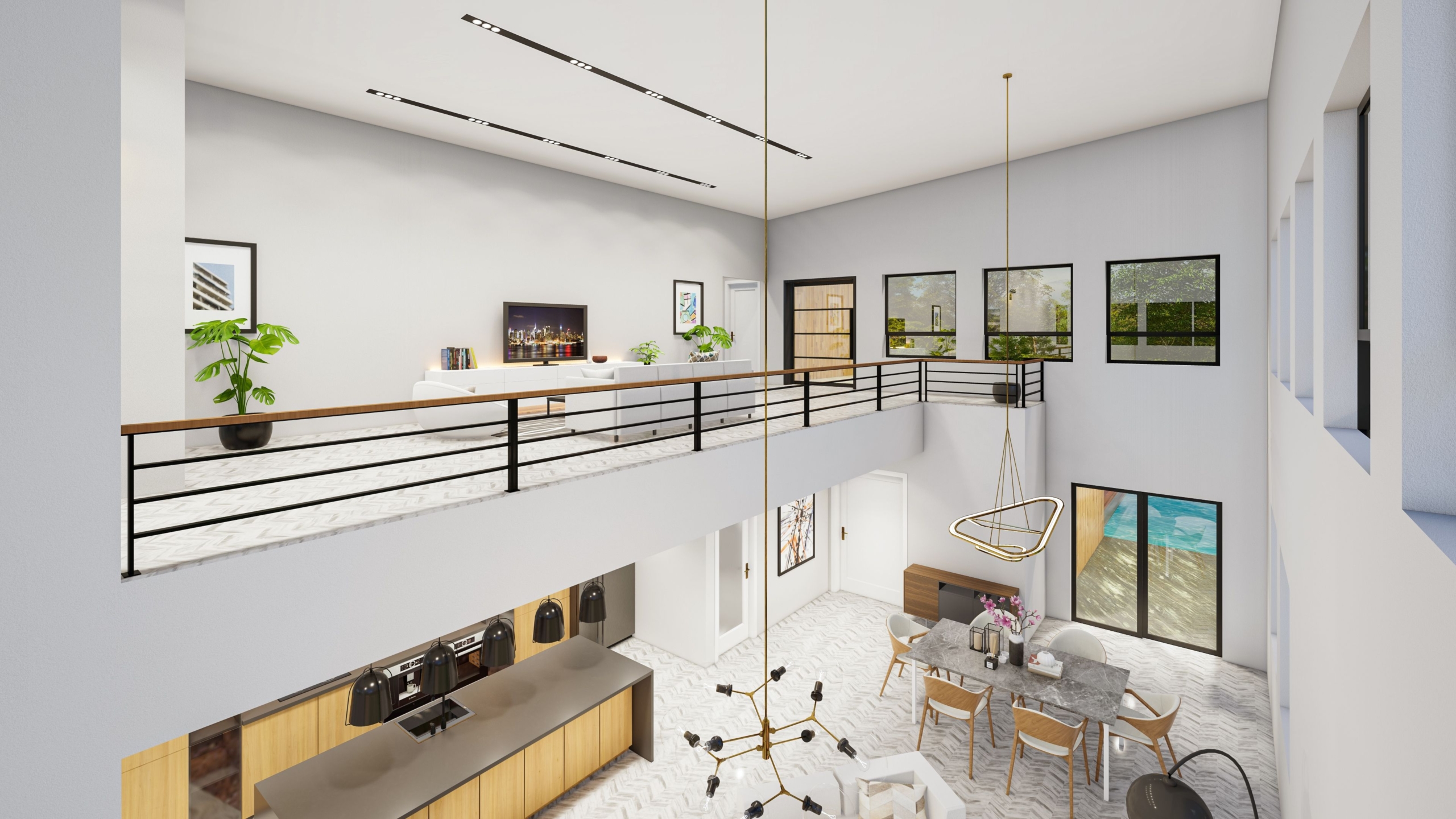
The buyer for a villa above the Côte d’Azur is rarely in France when they first see it. They’re in London between meetings, in Dubai after dinner, in Singapore scrolling a shortlist their adviser sent over. By the time they board a plane to view anything, the field has already narrowed from forty properties to four — and that narrowing happened entirely on screens.
This is the structural reality of the prime European market now, and it carries an uncomfortable implication for sellers: a property’s visual presentation isn’t marketing polish. It’s the first round of the competition, and most listings lose there without ever knowing they were in contention.
The Shortlist Happens Remotely
Consider how an international buyer actually works through the European market. They might be comparing a restored farmhouse in Provence against a penthouse in Lisbon against a waterfront home in Croatia — different countries, different legal systems, different lifestyles — without the practical ability to visit any of them quickly. Travel is expensive in time more than money for these buyers, and they ration it ruthlessly.
So the digital materials carry the full weight of the first decision. Photography, floor plans, video, location context, drone footage of the approach and the views. A property presented thinly — a dozen photos, no plan, no sense of the grounds — doesn’t read as discreet. It reads as either neglected or hiding something, and it quietly falls off lists it should have led.
The properties that survive remote scrutiny share a quality: a buyer can genuinely understand them from a distance. Layout, light, orientation, the relationship between house and land, what the view actually is from the master terrace rather than from the most flattering corner of the garden.
The Hardest Properties to Sell Are the Ones You Can’t Photograph
Photography solves the presentation problem for finished, furnished homes. A meaningful share of the prime European market doesn’t fit that description.
The off-plan villa in the Algarve that’s currently a foundation. The Florentine palazzo apartment mid-restoration, magnificent in eighteen months and a building site today. The penthouse sold shell-and-core, where the buyer is purchasing potential they cannot see. The plot above the bay with planning permission for something that exists only in an architect’s drawings. For agents and developers presenting high-end homes before an international buyer travels, a 3d rendering company can help turn architectural plans, design concepts, and unfinished spaces into clear visuals that communicate layout, materials, views, and lifestyle potential.
For these properties, the question isn’t whether to invest in visual presentation — it’s whether the asset can be sold remotely at all without it. An overseas buyer will not commit serious attention to a property they cannot picture, and “trust us, it will be spectacular” is not a sentence that moves seven-figure decisions.
Luxury Is Bought as a Life, Not as Square Metres
Here’s what separates prime property marketing from the ordinary kind: the buyer is not really evaluating a building. They’re evaluating a version of their life.
The arrival — gates, drive, the moment the house reveals itself. Morning coffee on which terrace, facing which light. Where guests stay and how separate they are. The pool’s relationship to the entertaining spaces, the gym that needs to not feel like an afterthought, the office with the view that makes working from Tuscany plausible to a spouse. Privacy, always privacy: from the road, from neighbours, from the beach below.
Square footage and bedroom counts say nothing about any of this. Visual presentation is the only medium that can carry it — which is why the strongest luxury listings feel less like property advertisements and more like a preview of inhabiting the place. The buyer who can mentally live in a property before visiting is a buyer who arrives at the viewing already persuaded, needing only confirmation.
Presentation Quality Reads as Asset Quality
There’s a second function at work, subtler and just as important: for investment-minded buyers, the quality of a property’s presentation becomes a proxy for the quality of everything else.
A high-net-worth buyer comparing markets — Lisbon against Athens, the Italian lakes against the Swiss ones — is making an asset allocation decision as much as a lifestyle one. They’re assessing rarity, architectural integrity, the durability of the location’s appeal. When a developer presents an off-plan project with precise, complete, professionally produced visuals, the materials themselves signal an operation that finishes what it starts. When a €6 million listing arrives with phone-quality photographs, a careful buyer wonders, fairly or not, what else has been handled carelessly.
This is not an argument for gloss. It’s an argument for completeness and precision — the qualities that serious capital looks for in everything it touches.
Each Asset Type Tells a Different Story
The visual brief changes with the property, and the best agents adjust accordingly. A villa lives or dies on its exterior life: terraces, pool, gardens, the view, the privacy of the approach. A penthouse is about the skyline and the arrival sequence — the private lift, the moment the doors open. A historic estate must prove its restoration: the craft in the details, the marriage of heritage fabric and modern systems, the grounds in their full seasonal character. A new development sells community and amenity as much as the unit itself. A land opportunity needs its future made visible — what the permission allows, how a building would sit on the site, what the morning light does across that hillside.
A single presentation template stretched across all of these serves none of them. The asset determines the story; the story determines the materials.
The Honesty Threshold
One caution that experienced operators in this market understand instinctively: international luxury buyers are sophisticated, well-advised, and have long memories.
A view widened beyond reality, a render showing finishes the specification doesn’t include, completion dates presented with more confidence than the construction schedule supports, the neighbouring development conveniently absent from every image — these discoveries don’t just kill the individual transaction. They travel. The luxury market in any European region is smaller than it looks, advisers talk to each other, and a reputation for over-presentation costs more than it ever earned.
The standard worth holding: every visual should survive the buyer standing in the actual spot. Renders clearly identified as proposals. Views shown from where they’re actually seen. The distinction between what exists, what’s included, and what’s conceptual is made explicit rather than discoverable.
Get all of this right — complete materials, the lifestyle made visible, the asset’s specific story told accurately — and the economics of international sales shift in the seller’s favour. The enquiries that arrive are serious, the viewings convert, and the buyer who flies in is already most of the way to a decision. In a market where the first cut happens on a screen six time zones away, that is precisely where the advantage lies.