

 by
by 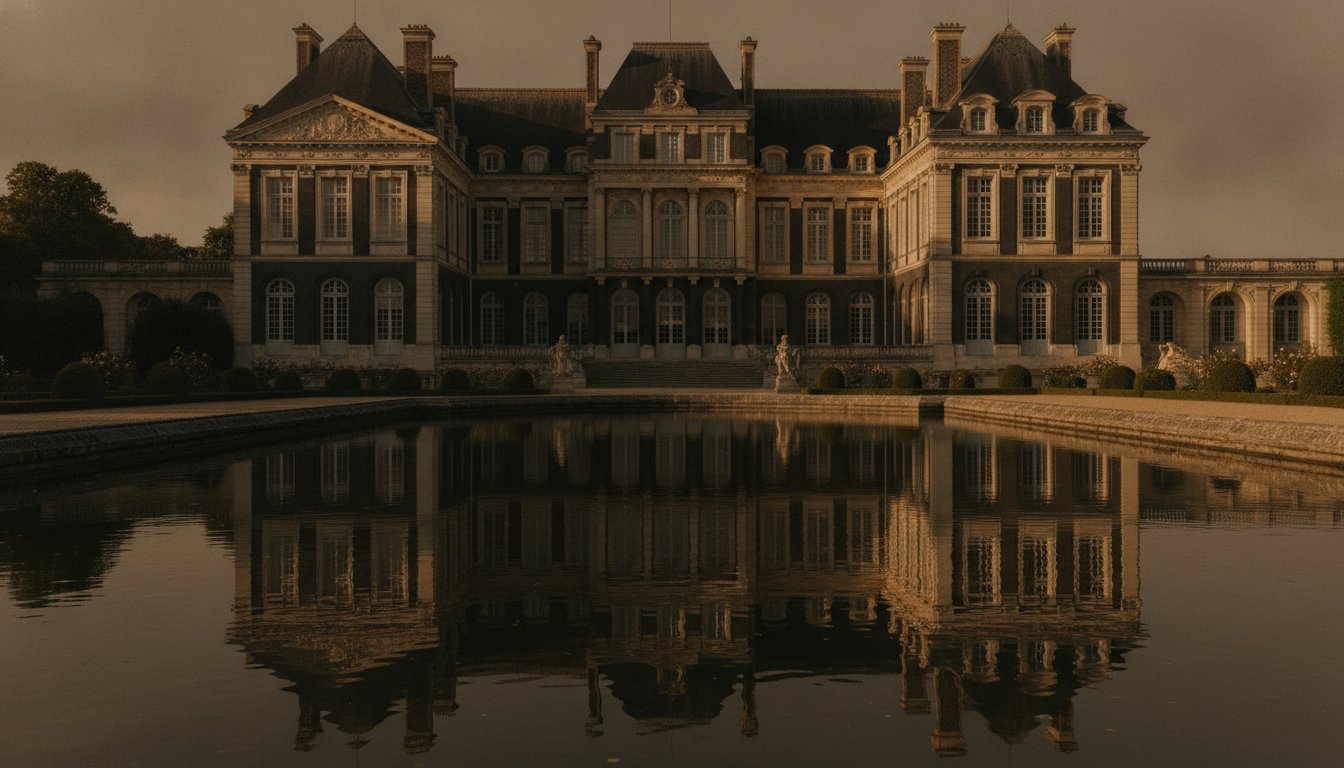
A 17th-century French chateau or a Renaissance-era Italian palazzo isn’t merely real estate; it’s a finite cultural asset where value is driven by rarity and provenance rather than simple square footage. You likely understand that the path to owning such a legacy is often clouded by opaque heritage regulations and the daunting uncertainty of long-term maintenance costs. It’s a pursuit that requires as much strategic intelligence as it does an appreciation for architectural beauty. This guide provides the expert framework needed to navigate the market for historic luxury properties Europe offers, helping you secure a unique asset with confidence and clarity.
We’ll show you how to identify, evaluate, and acquire these prestigious estates while managing the latest regulatory shifts, such as the May 2026 EU energy label mandates and Italy’s Law No. 40/2026. You’ll learn to authenticate provenance and leverage tax incentives like the French Jeanbrun scheme to protect your capital. This overview prepares you to experience the prestige of European history through a lens of investment stability and curated excellence, ensuring your heritage estate remains a source of pride for generations to come.
Key Takeaways
- Distinguish between authentic architectural legacies and modern imitations by identifying the specific hallmarks of Baroque, Renaissance, and Neoclassical design.
- Identify prime investment opportunities within the most coveted regions of Italy and France, from the storied palazzos of Venice to the grand chateaux of the Loire Valley.
- Understand the strategic value of scarcity and how owning historic luxury properties Europe serves as a robust hedge against market volatility while building a lasting family legacy.
- Navigate the complexities of restoration by learning to balance modern luxury amenities with the strict preservation requirements of “Monuments Historiques” and “Belle Arti” status.
- Master the art of sourcing authenticated listings through exclusive property portals and direct connections with elite local agents who specialize in off-market heritage assets.
Defining the Allure of Historic Luxury Properties in Europe
Distinguishing an authentic heritage estate from a modern “historic-style” build requires a discerning eye for detail and a deep appreciation for architectural integrity. While contemporary developers often replicate the grand proportions of the past, they cannot manufacture the centuries of soul embedded in original stones. Authentic historic luxury properties Europe offers are defined by their adherence to specific architectural movements, such as the dramatic flourishes of the Baroque era, the balanced symmetry of the Renaissance, or the dignified order of Neoclassicism. These structures aren’t just dwellings; they’re physical manifestations of cultural history. Legacy is the ultimate currency.
Provenance serves as the ultimate differentiator in the high-end market. The documented history of ownership, often tracing back through aristocratic lineages or significant cultural figures, adds an intangible yet substantial premium to a property’s valuation. Owning a piece of European patrimony provides a level of social prestige that modern glass and steel simply cannot match. It’s the difference between buying a house and becoming the steward of a legacy. This emotional connection to the past creates a sense of permanence that resonates with the world’s most sophisticated investors.
The Anatomy of a Heritage Estate
Identifying a true heritage asset involves verifying original features that are impossible to replicate with modern techniques. This includes hand-painted frescoes, intricate period masonry, and historical landscaping that has matured over centuries. Whether you’re considering a grand French chateau or a traditional European manor house, understanding “listed status” is vital. This classification protects the building’s character but also introduces specific responsibilities for the owner. Savvy investors rely on historical archives to verify authenticity, ensuring every archway and fireplace is a genuine relic of its era. This scrutiny is becoming even more critical as the European EPBD IV directive begins mandating energy labels for historic buildings in May 2026, requiring owners to balance preservation with modern efficiency standards.
Why Historic Properties Outperform Modern Luxury
The primary driver of value for historic luxury properties Europe holds is their absolute scarcity. You can always build another modern villa, but the supply of 17th-century Italian palazzos is finite. This rarity creates a natural barrier to entry, shielding these assets from the volatility often seen in the broader market. With the European luxury residential market projected to reach USD 644 billion in 2026, these “trophy assets” remain the cornerstone of sophisticated international portfolios. They offer a unique blend of artistic value and financial resilience, proving that true elegance never goes out of style.
Prime Regions for Heritage Estates: Italy, France, and Beyond
The geographical landscape of historic luxury properties Europe is as diverse as the centuries of history that shaped it. While the allure of a heritage estate is universal, the investment dynamics vary significantly between the sun-drenched hills of the Mediterranean and the verdant valleys of the north. Discerning buyers often begin their search in Italy, which remains the gold standard for historical architectural diversity. From the iconic Tuscan villas to the floating palazzos of Venice, the demand for Italian heritage remains remarkably resilient. Recent legislative updates, such as Law No. 40/2026 which took effect on April 14, 2026, have simplified certain aspects of ownership by raising the export certificate threshold for cultural property to €50,000.
The Mediterranean Heritage Market
Italy’s investment hubs like Lake Como and the Amalfi Coast continue to attract elite capital, but there’s a notable rise in restored historic apartments within Rome and Florence. These urban gems offer the same prestige as rural estates but with the connectivity desired by modern Gen X and Millennial buyers. Meanwhile, the Iberian Peninsula presents unique opportunities through Spanish Cortijos and Portuguese Quintas. Lisbon’s luxury market is currently the fastest-rising in Western Europe, posting a 5.7% growth rate in 2026. This surge reflects a broader trend of Investing in Heritage Properties as a means of securing long-term value in high-growth regions.
Northern and Western European Estates
In France, the market for Loire Valley chateaux and Parisian hôtels particuliers offers a different scale of grandeur. It’s essential to understand the distinction between a “Manoir” and a “Chateau” in French listings; a manoir was historically the heart of a local fiefdom, while a chateau served as a fortified seat of power or a grand country residence. The 2026 Finance Act introduced the Jeanbrun scheme, allowing investors in renovated rental properties to benefit from significant tax deductions until late 2028. However, buyers of secondary homes should be mindful of the 2026 Finance Bill’s new tax on vacant residential properties, which reaches 17% in the first year of vacancy.
The United Kingdom provides another layer of prestige through its Grade I and Grade II listed manor houses, where strict preservation ensures the property’s character remains untouched by time. Beyond these traditional strongholds, Central Europe is emerging as a high-performance market for historic luxury properties Europe enthusiasts. Prague, for instance, saw a 14.6% year-on-year price increase in 2026. If you’re ready to explore these diverse regions, you can view our curated selection of luxury property listings to find an estate that aligns with your portfolio goals.

The Investment Case: Rarity, Appreciation, and Legacy
Scarcity is the primary driver for historic luxury properties Europe offers to the global market. While modern developers can replicate aesthetics, they can’t replicate the centuries-old provenance that secures an asset’s position in the top tier of international real estate. Authenticated listings are exceptionally rare, often held within families for generations before reaching the open market. This limited supply creates a price floor that standard luxury homes simply don’t possess. You aren’t just purchasing square footage; you’re acquiring a physical piece of history that remains immune to the ephemeral nature of modern trends.
Heritage status acts as a formidable barrier to entry. Strict zoning and preservation laws prevent the dilution of value through over-development in prime historical districts. This protection ensures that the unique character of a Tuscan estate or a French manor remains undisturbed, preserving the long-term appreciation curve. Investors view these properties as “trophy assets” that hold their value even during broader market recalibrations. This intrinsic resilience makes them ideal for multi-generational wealth transfer, serving as a stable anchor within a diversified portfolio.
Financial incentives often accompany the responsibility of stewardship. In France, owners of properties listed as historic monuments can deduct 50% of property taxes from their income. This figure increases to 100% if the monument is open to the public. These subsidies are designed to offset maintenance costs while encouraging the preservation of cultural patrimony. Such fiscal advantages make the investment case even more compelling for those focused on long-term capital preservation and the prestige of European history.
Historic Assets as a Hedge Against Inflation
Tangible assets provide a sense of security that digital or speculative investments lack. Historically, European estates have shown resilient price performance, acting as a “safe haven” during economic shifts. With Germany’s real estate market expected to grow by 4.4% by the end of 2026, the shift toward quality and heritage is accelerating. International buyers flock to these markets because they offer a level of permanence that is increasingly rare in the global economy. Historic luxury properties Europe provides a reliable store of value that transcends temporary market fluctuations.
Generating Revenue from Heritage Properties
Many large domains offer significant revenue potential that balances private use with commercial viability. High-end boutique hospitality, exclusive event hosting, and established agricultural operations, such as vineyards or olive groves, can transform a heritage domain into a self-sustaining enterprise. Owners must stay informed about evolving fiscal policies, such as the 2026 Finance Bill in France which significantly lowered the “micro-BIC” turnover threshold for furnished holiday lettings to approximately €15,000. Successful stewardship requires a strategic approach to these commercial opportunities to ensure they enhance, rather than detract from, the property’s historical integrity. For a broader perspective on how the 2026 market is reshaping acquisition strategies, our comprehensive guide to luxury homes for sale in Europe provides an essential overview of the regulatory and investment landscape across prime regions.
Navigating Restoration and Heritage Regulations in Europe
The transition from admirer to owner of historic luxury properties Europe holds requires a sophisticated understanding of the regulatory frameworks that govern their preservation. Unlike modern residential projects, heritage estates are subject to strict oversight from national bodies like the “Monuments Historiques” in France or the “Belle Arti” in Italy. These organizations don’t just provide a title; they dictate the permissible scope of any architectural intervention. Successful owners view these rules not as obstacles, but as a blueprint for maintaining the asset’s cultural and financial integrity. Achieving a balance between 21st-century luxury amenities and 17th-century masonry is a delicate art that necessitates a partnership with specialized architects and artisans who speak the language of the past.
Common Legal Pitfalls in Heritage Acquisitions
Acquiring a heritage estate involves navigating a complex web of restrictions that can limit structural changes, facade alterations, and even the choice of building materials. It’s vital to conduct thorough due diligence on property titles, as historic estates often carry centuries-old easements or usage rights. A significant shift is occurring in May 2026 with the implementation of the European EPBD IV directive. This mandate removes the previous energy label exemptions for listed buildings, meaning owners must now provide energy labels when selling or renting. Integrating modern insulation and sustainable energy systems without compromising the historical aesthetic has become a primary challenge for the modern investor.
The Restoration Roadmap
Restoring a heritage property is a methodical journey that begins with structural stabilization. Phase one focuses on moisture management and reinforcing the foundation to ensure the building’s longevity. Once the shell is secure, the second phase involves discreetly updating internal systems. Modern HVAC, high-speed connectivity, and smart home technologies must be integrated behind period paneling or within existing voids to preserve the visual narrative. The final phase centers on artisanal finishings, where master craftsmen restore frescoes, parquetry, and stonework to their original glory. This structured approach prevents the costly errors often associated with rushed or poorly planned renovations.
For those with a high appetite for risk, “un-restored” gems offer a high-reward investment path, allowing you to shape the restoration process from the ground up. These properties are increasingly rare in prime markets like Tuscany or the Loire Valley. If you’re looking for an estate that offers the perfect canvas for your vision, you can explore our premium property advertising to discover exclusive heritage opportunities across the continent. Selecting a property with solid bones and clear provenance is the first step toward creating a lasting legacy.
How to Source Exclusive Historic Listings in Europe
Sourcing historic luxury properties Europe offers to the global market demands a departure from conventional search methods. While general portals provide volume, they often lack the rigorous authentication required for heritage assets. Discerning buyers must prioritize platforms that vet listings for historical accuracy and legal transparency. This process involves more than just verifying a build date; it requires a comprehensive review of the property’s standing with national heritage bodies and a clear understanding of its documented provenance. Legacy isn’t found in a standard search result.
Elite local agents and developers act as the essential gatekeepers of these estates. Many of the most exceptional properties are traded through private networks, never reaching the open market. By building direct connections with these seasoned professionals, you gain early access to authenticated listings that meet the highest standards of rarity. They understand the nuances of their specific regions, from the aristocratic enclaves of Paris to the rural domains of Tuscany. This level of insider knowledge is indispensable when you’re looking for a trophy asset that aligns with a sophisticated investment strategy. Buyers navigating this landscape in 2026 will also benefit from understanding the broader context of luxury homes for sale in Europe, particularly how shifting residency programs and ESG standards are influencing which markets offer the greatest long-term security.
The Role of an International Property Platform
EuropeanProperty.com serves as the premier destination for those who demand a curated approach to international living. Our platform provides access to a refined portfolio of villas, penthouses, and grand waterfront estates, each selected for its architectural significance and long-term value. We act as a bridge between diverse cultures, connecting you with professionals who truly understand the expatriate and investor mindset. This structured approach ensures that the complexities of cross-border acquisitions are managed with strategic intelligence. You aren’t just browsing listings; you’re engaging with a global authority in the high-end market.
Next Steps for the Discerning Buyer
Your journey begins by setting up a bespoke property search tailored to your specific heritage requirements. This allows you to receive notifications for estates that align with your preferred architectural periods or geographic hubs. We recommend requesting detailed dossiers on properties with significant provenance to fully evaluate the cultural asset you’re considering. For sellers, our experts in luxury real estate advertising and international property marketing provide the global reach necessary to connect with the right high-net-worth individuals. By combining deep market insight with a polished, professional approach, we ensure your experience with European heritage is both seamless and prestigious.
Securing Your Architectural Legacy
Owning a heritage estate is a profound commitment to preserving the past while securing a stable, tangible future. We’ve explored how the rarity of these assets creates a natural hedge against market volatility and how navigating the evolving landscape of 2026 regulations ensures your investment remains both compliant and prestigious. By balancing the meticulous demands of historical preservation with the integration of modern luxury standards, you transform a property into a living testament of cultural significance. Acquiring historic luxury properties Europe holds is no longer a journey you must take alone. It’s a pursuit that rewards the patient and the prepared.
Since 1999, EuropeanProperty.com has served as the premier international luxury property platform, bridging the gap between discerning global buyers and the continent’s most exclusive estates. Our established network provides direct connections to leading real estate agents and developers, granting you exclusive access to prime global real estate markets that are often inaccessible through standard channels. We invite you to explore our curated collection of historic luxury properties in Europe and begin the process of identifying your next cultural asset. Your search for a timeless masterpiece deserves the guidance of a seasoned global expert.
Frequently Asked Questions
What is considered a historic property in the European real estate market?
A historic property is defined by its official inclusion in a national or regional heritage register based on its architectural, cultural, or social significance. These designations, such as “Listed” status in the UK or “Classé” in France, protect the building’s integrity from unauthorized alterations. It’s not just about age; a mid-century masterpiece can carry the same heritage weight as a 16th-century villa if it represents a pivotal design era.
Are there tax benefits for buying a heritage-listed home in Europe?
Many European nations offer fiscal incentives to encourage the stewardship of heritage assets. In France, the 2026 Finance Act supports owners through schemes like the Jeanbrun incentive for renovated rentals, while other countries provide deductions for restoration costs. Additionally, certain regions offer exemptions from inheritance or wealth taxes for properties that maintain high cultural value or are open to the public.
Can I modernize the interior of a historic estate in France or Italy?
You can modernize the interior of a historic estate provided the changes don’t compromise protected architectural elements. While facades and structural walls are strictly regulated by bodies like Italy’s “Belle Arti,” internal layouts often allow for contemporary kitchens and smart home integrations. It’s vital to consult with a heritage-specialized architect to ensure your plans align with the property’s specific preservation requirements.
How do I verify the provenance and history of a European property?
Verifying provenance requires a methodical review of municipal archives, land registries, and historical deeds. Professional researchers can trace ownership lineages back centuries, uncovering royal connections or significant artistic associations that enhance the estate’s prestige. For historic luxury properties Europe investors prize, this documented history is essential for establishing the property’s “trophy asset” status and long-term investment value.
What are the additional costs associated with owning a historic luxury home?
Owning a heritage estate involves specialized costs such as higher insurance premiums for unique materials and the need for artisanal craftsmen for routine maintenance. The new EU energy label mandate for May 2026 also means owners must invest in sympathetic insulation and efficiency upgrades to meet modern standards. You should expect to allocate a higher percentage of the property’s value for annual upkeep compared to modern builds.
Is it possible for non-EU citizens to buy historic properties in Europe?
Non-EU citizens are generally permitted to acquire historic properties, though specific “reciprocity” rules may apply in countries like Italy. Many investors utilize specialized investment visas or professional residency programs to facilitate these cross-border transactions. Working with a global expert who understands the nuances of international real estate strategy is the most efficient way to navigate these legal requirements.
How does heritage status affect the resale value of a luxury property?
Heritage status significantly enhances resale value by creating a natural barrier to entry and ensuring absolute scarcity. Because these properties are finite, they don’t follow the same depreciation curves as standard luxury homes. Their status as a “cultural asset” often makes them more resilient to market volatility, attracting a dedicated niche of high-net-worth collectors who prioritize historic luxury properties Europe offers.
What should I look for during a survey of a period property?
During a survey of a period property, you should prioritize the inspection of structural masonry, timber integrity, and historical drainage systems. Look for signs of rising damp or structural movement that may have occurred over centuries of use. A specialized surveyor will also evaluate the feasibility of modernizing utilities within the constraints of the property’s specific heritage classification and local zoning laws.